Book

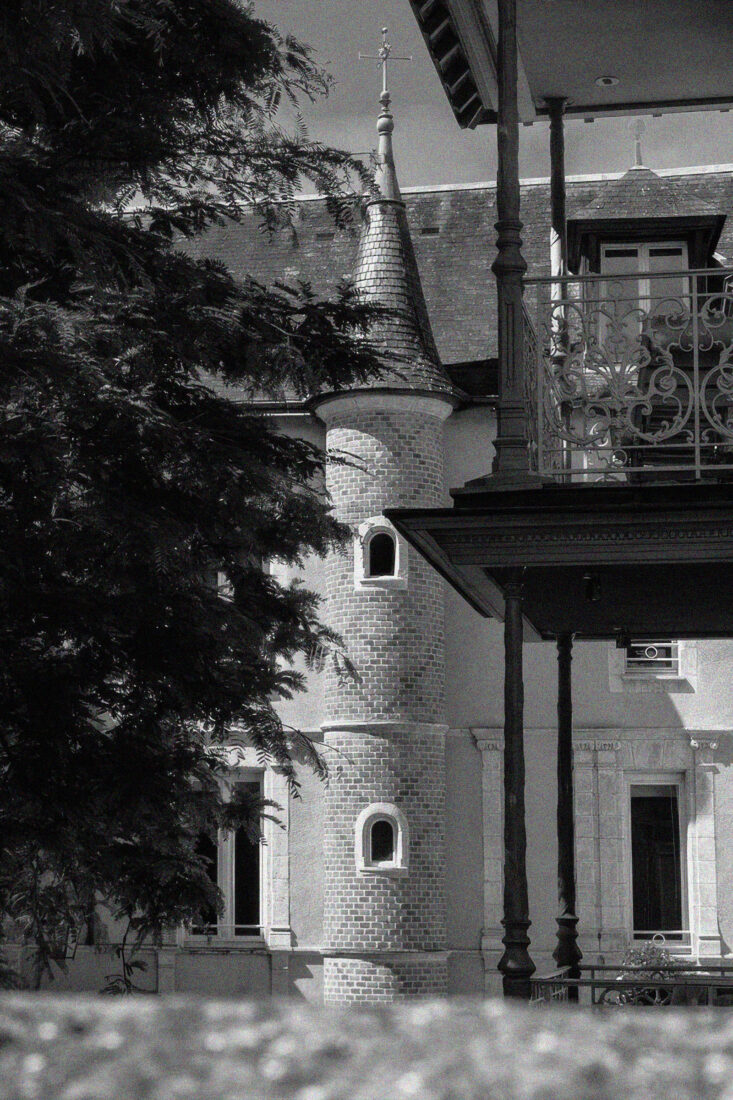
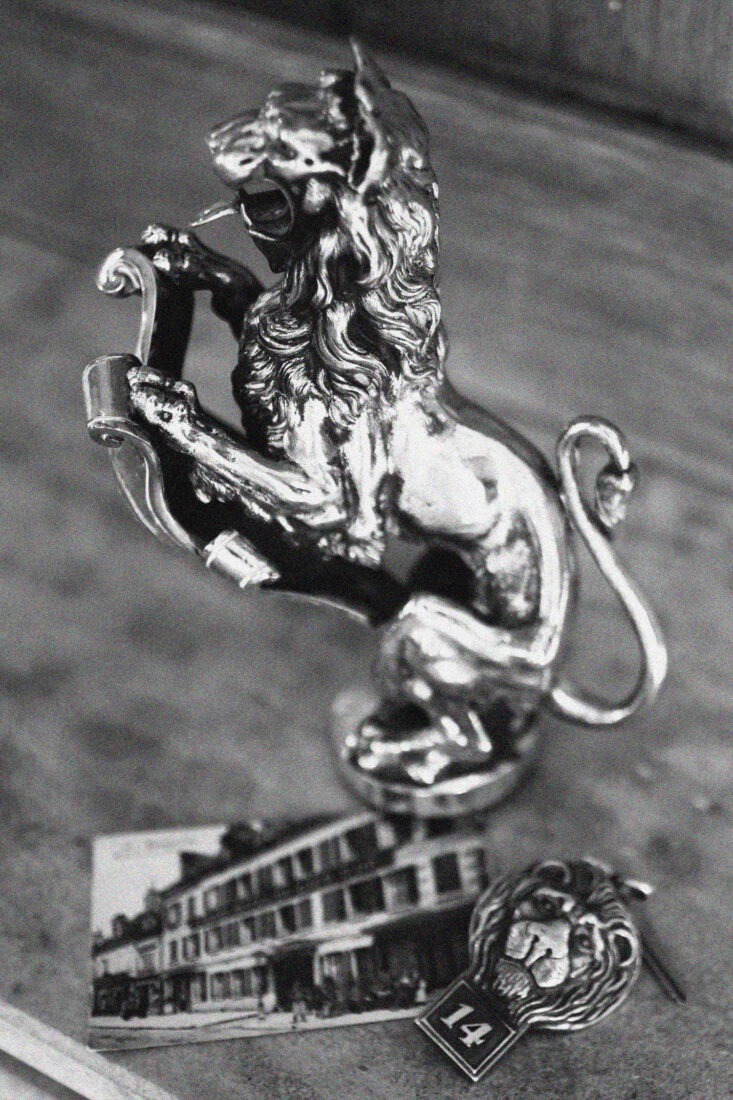
Nestled in the heart of the Loire Valley—between Chambord, Valençay, and Amboise—the Lion d’Or 1774 is far more than a hotel; it is an open book on the history of France. The story begins in the early 16th century, when Jean Gitton, Lord of Montgiron and a close associate of King Francis I, commissioned this Renaissance-style private mansion. At the time, its walls housed Romorantin’s first aldermen and master drapers, bearing witness to the town’s growing prominence.
A turning point came in 1774, on the eve of the French Revolution. Canon Nicolas Gitton, the family’s last heir, sold the building to Pierre Boiffard, a visionary innkeeper and restaurateur. Boiffard recognized the property’s potential and transformed it into a sought-after destination, welcoming a select clientele arriving "on foot, on horseback, or by carriage."
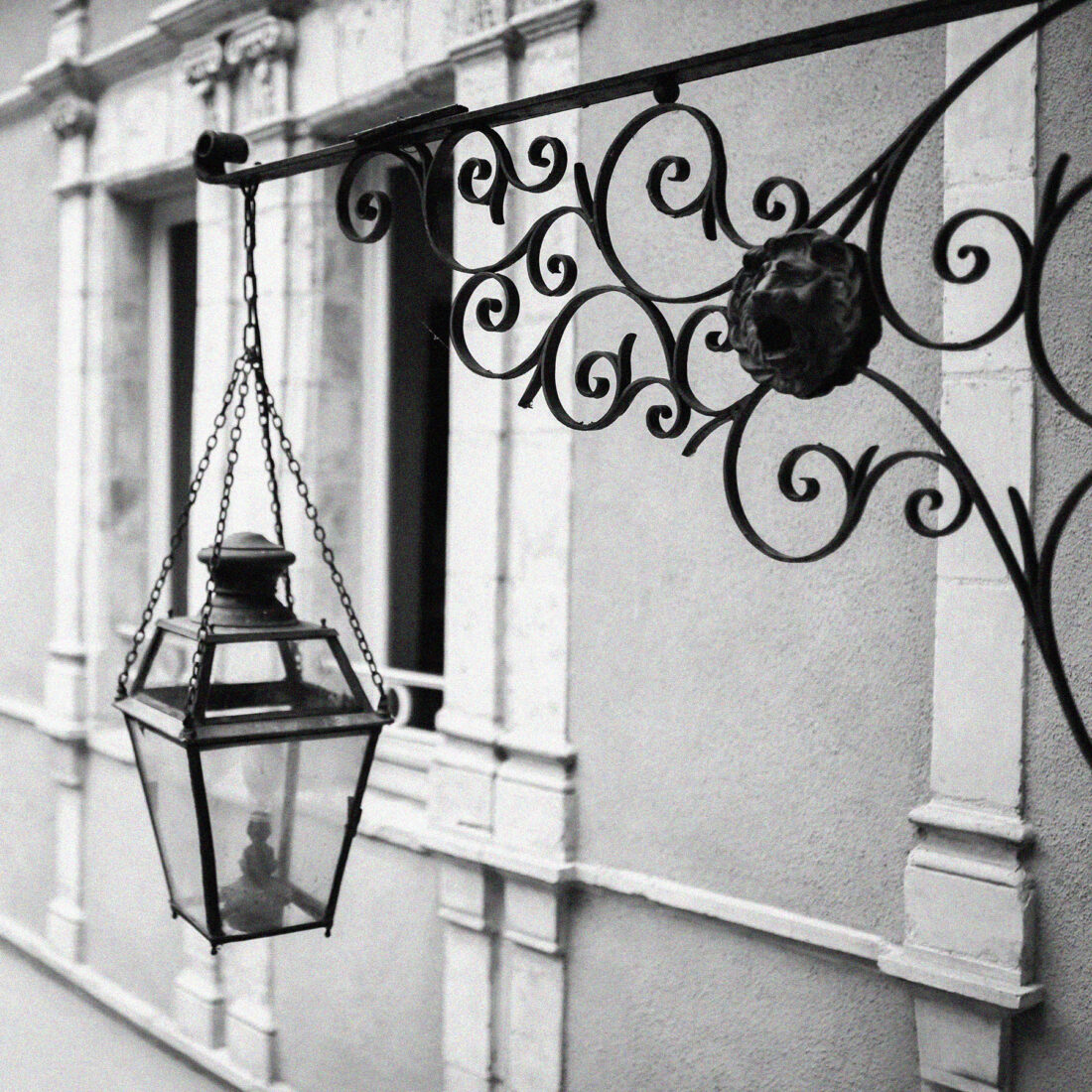
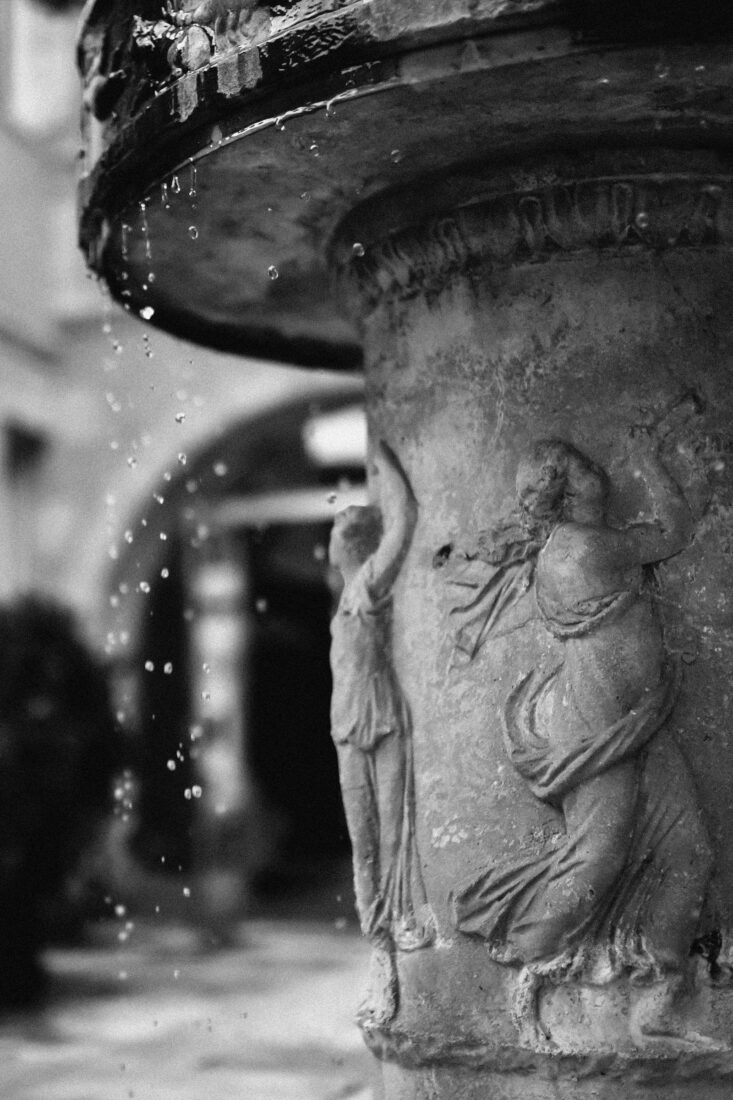
The 19th century marked another shift: three generations of the Fouque Lacroix family (Augustin, François, and Achille) transformed the establishment into a "Grand Hotel"—modern for its day—featuring gas lighting on every floor and a fountain adorning the inner courtyard. Cellar inventories even reveal the presence of fine vintage wines, proof of an already established art of living.
The story of the Lion d’Or is also a family story. In 1961, Colette and Alain Barrat took the helm of this historic establishment, followed in 1980 by their daughter, Marie-Christine, and their son-in-law, Chef Didier Clément. Together, they have upheld the tradition of hospitality while modernizing the property. Recent renovations—utilizing over 100 tons of reclaimed materials—have restored the building’s Renaissance soul while adapting it to contemporary standards.
In 2024, the Lion d'Or 1774 celebrated a truly rare milestone: the hotel-restaurant’s 250th anniversary.
Nestled within the "Golden Triangle" of the Loire Valley châteaux, the Lion d’Or 1774 is situated in a region where French history was written. Romorantin—where Leonardo da Vinci dreamed of building an "Ideal City" in 1519—is a perfect example of this heritage. Here, the very stones tell the story of a bygone era, and the reception rooms evoke the great figures who shaped the region.
Today, travelers can still experience this unique atmosphere—amidst antique woodwork, monumental fireplaces, and a tree-filled courtyard—where time seems to stand still.